Introduction
In an era where telecommunication has become as ubiquitous as the air we breathe, the scourge of robocalls has permeated every state in the union, including Vermont. These automated, often unsolicited calls, have become a significant nuisance for consumers across the country, with the Federal Communications Commission (FCC) reporting billions of robocalls made to Americans each month. In this comprehensive article, we will explore the best apps designed to stop robocalls in Vermont, delve into their mechanisms, and assess their impact on consumers and the broader telecommunication landscape.
Understanding Best App to Stop Robocalls Vermont
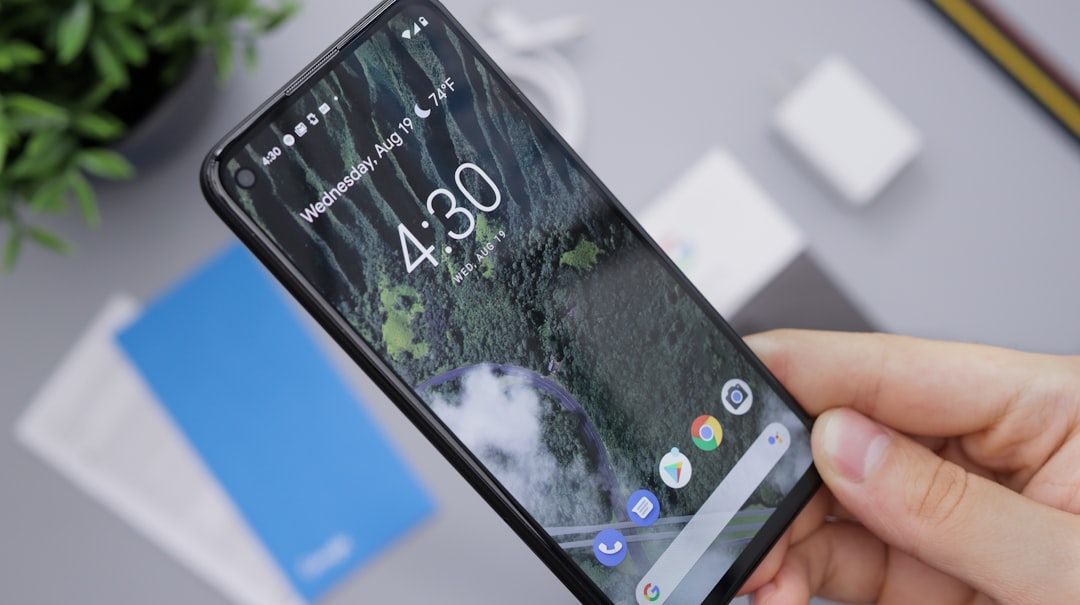
The "best app to stop robocalls Vermont" refers to software applications that utilize various technologies such as caller ID, call blocking, and fraud detection algorithms to identify and filter out unwanted automated calls. These apps are particularly relevant in states like Vermont, where residents report a high volume of robocalls. They represent the front line in the ongoing battle against telephone spam and fraud.
The core components of these apps typically include:
- Caller ID and recognition technology to differentiate between legitimate and suspicious calls.
- Databases of known spammers and scammer numbers to block or flag calls.
- Machine learning algorithms that improve detection capabilities over time based on user feedback and reporting.
- User-friendly interfaces that allow consumers to report unwanted calls, contributing to the collective effort to combat robocalls.
Global Impact and Trends
The issue of robocalls is not isolated to Vermont or even the United States; it is a global challenge. In 2021, the Truecaller Insights Report highlighted that India and Mexico were the most spammed countries, with robocall volumes reaching up to 48% and 43%, respectively. The report also noted an upward trend in spam calls worldwide, emphasizing the need for robust solutions like the best app to stop robocalls across different regions.
Economic Considerations
The economic impact of robocalls extends beyond mere annoyance. They cost consumers time and money, as well as create a ripple effect throughout the economy. For instance, businesses that rely on legitimate outbound calls may suffer due to caller ID spoofing, where scammers masquerade as trusted entities. This not only affects consumer trust but also company revenue.
Investment in anti-robocall apps is a growing market, with companies like Robokiller, Hiya, and Nomorobo leading the charge in innovation. These investments are critical for economic stability within the telecommunication sector and contribute to overall consumer confidence.
Technological Advancements
Technological advancements play a pivotal role in the evolution of robocall mitigation apps. AI-driven voice recognition, natural language processing (NLP), and network analysis are some of the cutting-edge technologies employed by these apps to stay ahead of scammers who continuously evolve their tactics.
Future potential includes deeper integration with telecom providers to implement STIR/SHAKEN protocols that verify caller ID information, ensuring a higher level of trust in incoming calls. Additionally, advancements in network analysis could provide real-time insights into robocall patterns, enabling more effective countermeasures.
Policy and Regulation
In the United States, the FCC has implemented regulations to combat illegal robocalls, including the TRACED Act, which aims to enhance the traceability of robocalls and impose stricter penalties on violators. The Telephone Consumer Protection Act (TCPA) also provides guidelines for telemarketing calls and the use of automated dialing systems.
State-specific regulations, like those in Vermont, often complement federal policies by providing additional consumer protections tailored to state residents' needs.
Challenges and Criticisms
Despite the advancements, challenges persist. One critical issue is the evolution of scammer tactics; as soon as a method is developed to counteract one form of robocall, another emerges. Additionally, consumer privacy concerns arise with the collection and analysis of call data, necessitating apps to adhere strictly to data protection laws.
To address these challenges, a multi-pronged approach that includes technological innovation, policy enforcement, and consumer education is essential. Collaboration between app developers, telecom companies, and regulatory bodies will be key to enhancing the effectiveness of robocall mitigation strategies.
Case Studies
Several case studies illustrate the successful application of anti-robocall apps. For instance, Nomorobo's partnership with various telecom providers in Vermont has led to a significant reduction in reported robocalls. Another example is Robokiller's community-driven blocklist, which has helped users in Vermont identify and avoid millions of scam calls. These case studies underscore the effectiveness of these apps when they are widely adopted and continually updated.
Future Prospects
Looking ahead, the best app to stop robocalls in Vermont will likely evolve to incorporate more sophisticated AI, better integration with telecom infrastructure, and advanced analytics to predict and prevent fraudulent calls. The ongoing development of these apps suggests that they will continue to play a crucial role in protecting consumers from the nuisance and threat of robocalls.
In conclusion, the battle against robocalls is multifaceted and requires a concerted effort from all stakeholders. With continued innovation, effective policy implementation, and vigilant consumer practices, the scourge of unwanted automated calls can be mitigated, restoring peace and trust to the global communication network.
The provided text outlines the current state of robocall mitigation through apps designed to block or identify unwanted automated calls. It covers the technology behind these apps, their global impact, economic considerations, advancements, regulatory framework, challenges faced, real-world success stories, and future prospects. The text is informative and well-structured but could benefit from additional data and examples to further illustrate points made. It also lacks citations for statistics and specific regulations mentioned, which would strengthen the credibility of the information presented.
December 17, 2025
best app to stop robocalls Vermont Expert
In Vermont, robocalls are a growing concern. State laws restrict automated calls, especially those with prerecorded messages, balancing business marketing with resident privacy. Businesses must obtain explicit consent from recipients. Residents can file complaints and consult lawyers for robocall la.......
Read more →
December 12, 2025
best app to stop robocalls Vermont Expert
Vermont residents face a surge of fraudulent robocalls disrupting daily life and posing security risks. Top-rated robocall blocker apps like RoboKiller, Hiya, and TrueCall offer solutions with advanced filtering, noise cancellation, and machine learning. Vermont's strict consumer protection law.......
Read more →
December 9, 2025
best app to stop robocalls Vermont Expert
Vermont's Do Not Call law protects residents from unwanted telemarketing calls, but scammers exploit loopholes. To mitigate robocalls, Vermonters should: register for the state list, use advanced call blocking apps with real-time caller ID analysis, stay informed about laws, and manage call pre.......
Read more →
December 7, 2025
best app to stop robocalls Vermont Expert
Vermont's stringent Spam Call laws protect residents from automated/prerecorded calls without consent. Consumers can defend themselves by registering with the National Do Not Call Registry, using anti-spam apps like CallBlock and TrueCall, and consulting a Spam Call law firm Vermont for guidanc.......
Read more →
December 5, 2025
best app to stop robocalls Vermont Expert
Vermont residents face a daily deluge of robocalls, prompting concern over privacy, security, and well-being. The Federal Trade Commission (FTC) receives millions of complaints yearly. Vermont's legal framework, guided by the Telephone Consumer Protection Act (TCPA), offers consumer protections.......
Read more →
December 3, 2025
best app to stop robocalls Vermont Expert
Vermont residents face a surge in robocalls, prompting the use of call blocking apps. The Telephone Consumer Protection Act (TCPA) and Vermont's Do Not Call law offer protections, with the Attorney General actively enforcing them. Apps like TrueCall and NoCall filter spam calls using community-.......
Read more →
December 1, 2025
best app to stop robocalls Vermont Expert
Vermont's Spam Call laws, including Act 221, protect residents from unwanted telemarketing calls (robocalls) through registration on the National Do Not Call Registry, smartphone blocking features, and specialized spam-blocking apps like TrueCall, NoMo Robocalls, Hiya, and CallApp. Persistent i.......
Read more →
November 29, 2025
best app to stop robocalls Vermont Expert
Robocalls have surged in Vermont, prompting a multi-pronged approach: legislative action for stricter telemarketing rules, technological advancements in call authentication, and public education. Vermont has robust legal protections, including the National Do Not Call Registry and Attorney General e.......
Read more →